25 Fascinating Facts About Lucille Ball That Even Some I Love Lucy Fans Don’t Know
Lucille Ball was much more than the hilarious redhead who made America laugh. Discover the business pioneer, determined performer and television trailblazer behind the unforgettable comedy.
Contents
Contents
- 1. She Was Not Naturally a Redhead
- 2. She Faced Doubts at Drama School
- 3. She Worked as a Model
- 4. She Appeared in Dozens of Films
- 5. Her Marriage Helped Inspire a Television Classic
- 6. Desi Arnaz Helped Shape the Three-Camera Sitcom
- 7. Filming Helped Make Reruns Valuable
- 8. The New York Apartment Was Built in Hollywood
- 9. The Chocolate Factory Scene Required Precise Timing
- 10. The Grape-Stomping Scene Was Physical Comedy at Its Best
- 11. Her Pregnancy Storyline Became a Television Milestone
- 12. The Baby Was Known as Little Ricky
- 13. Vivian Vance Made Ethel the Perfect Partner for Lucy
- 14. William Frawley Was Much Older Than Vivian Vance
- 15. She Took Control of Desilu Productions
- 16. Desilu Produced More Than Sitcoms
- 17. Her Studio Helped Bring Star Trek to Television
- 18. Desilu Also Produced Mission: Impossible
- 19. She Was a Meticulous Comedy Performer
- 20. She Was Not the Same as Lucy Ricardo
- 21. Her Career Continued After Her Divorce
- 22. She Received the Presidential Medal of Freedom
- 23. Her Hometown Still Celebrates Her
- 24. Her Influence Reaches Across Generations
- 25. Her Comedy Still Connects with Audiences
- Frequently Asked Questions
Advertisement
For millions of Americans, Lucille Ball will always be Lucy Ricardo from I Love Lucy. Her comic expressions, unforgettable arguments with Ricky and hilarious attempts to get into show business made her one of television’s most beloved personalities.
But there was another side to Lucille Ball that many casual viewers never discovered. She was a business pioneer, a determined actress, a mother and a studio executive who helped change the entertainment industry. Some of the most interesting stories about her happened away from the television screen.
Here are 25 fascinating facts that reveal the remarkable woman behind the laughter.
1. She Was Not Naturally a Redhead
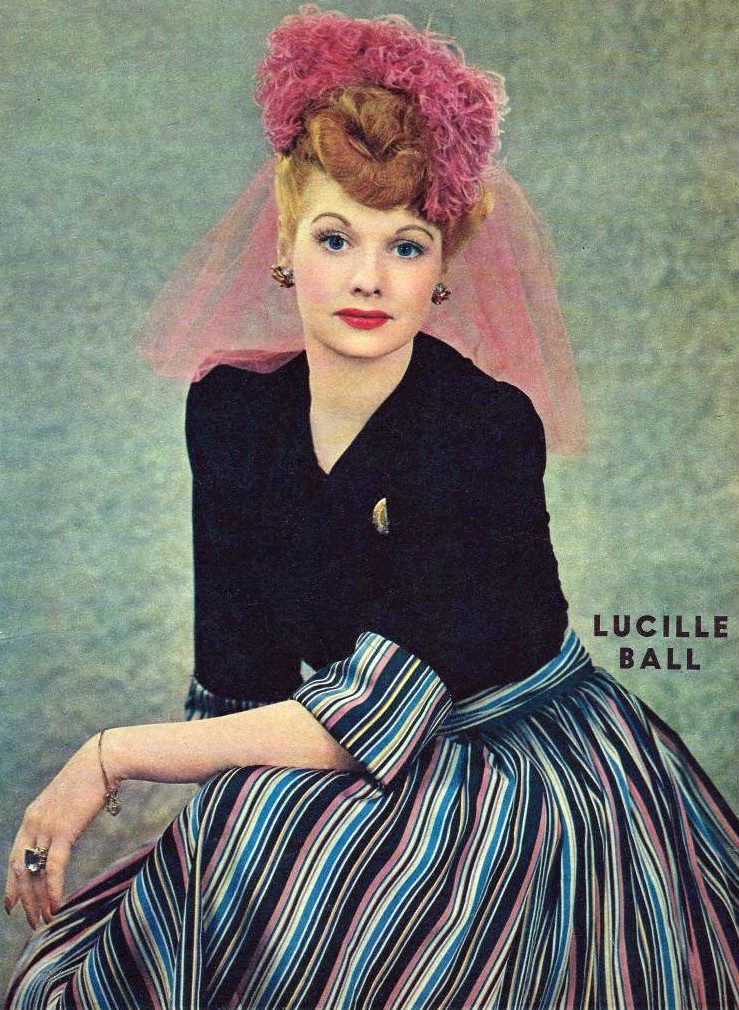
Lucille Ball’s famous bright red hair was not her natural color. Her signature look was created with hair coloring and carefully maintained for the camera. Over time, the vivid shade became so closely associated with her that many viewers assumed she had always been a redhead.
2. She Faced Doubts at Drama School
As a teenager, Ball studied at the John Murray Anderson School of Dramatic Arts in New York. Her early training was difficult, and accounts of the period describe instructors questioning whether she had the confidence or ability for a stage career. Whatever was said then, it did not define what she would achieve.
3. She Worked as a Model
Before Hollywood stardom, Ball took modeling jobs and pursued work in entertainment. Modeling gave her experience in front of cameras and helped her build confidence while she looked for acting opportunities.
4. She Appeared in Dozens of Films
Long before I Love Lucy premiered, Ball had built an extensive film résumé. Her credits included Stage Door, Room Service and The Big Street. Many early roles were supporting parts, but the work gave her valuable experience with screen acting, timing and camera performance.
5. Her Marriage Helped Inspire a Television Classic
Ball married Cuban-born bandleader and actor Desi Arnaz in 1940. Their real-life partnership helped inspire the central idea behind Lucy and Ricky Ricardo. When Ball wanted Arnaz to play her television husband, some executives were unsure audiences would accept the pairing. The couple toured together in a vaudeville-style act to demonstrate their chemistry, helping make the case for the series.
6. Desi Arnaz Helped Shape the Three-Camera Sitcom
I Love Lucy was filmed on 35mm film in front of a live studio audience using a three-camera setup, with cinematographer Karl Freund playing an important technical role. Arnaz helped champion and organize the production approach. It combined the energy of a live performance with the advantages of a filmed program and became highly influential.
7. Filming Helped Make Reruns Valuable
Because I Love Lucy was recorded on film rather than existing only as a live broadcast, episodes could be shown again to new audiences. The show’s production and distribution arrangements helped demonstrate the lasting commercial value of television reruns and helped establish a model that became central to the industry.
8. The New York Apartment Was Built in Hollywood
Lucy and Ricky lived in a fictional New York apartment, but the series was produced in Hollywood. Sets, studio work and a live audience created the impression of the Ricardos’ New York world while the cast performed in California.
9. The Chocolate Factory Scene Required Precise Timing
In “Job Switching,” Lucy and Ethel try to wrap chocolates as a conveyor belt moves faster and faster. Their frantic attempts to keep up are among the best-known moments in sitcom history. The sequence depended on carefully timed physical comedy and coordination between Lucille Ball, Vivian Vance and the moving belt.
10. The Grape-Stomping Scene Was Physical Comedy at Its Best
In “Lucy’s Italian Movie,” Lucy takes part in grape stomping and ends up in a comic struggle in a vat. Ball’s willingness to use movement, awkwardness and expressive reactions—not just dialogue—made the scene memorable.
11. Her Pregnancy Storyline Became a Television Milestone
When Ball became pregnant, the subject had to be handled carefully under the broadcast standards of the period. The writers avoided saying the word “pregnant,” but Lucy Ricardo’s pregnancy became a major storyline. “Lucy Goes to the Hospital” aired on January 19, 1953—the same day Ball gave birth to Desi Arnaz Jr., not the previous day.
12. The Baby Was Known as Little Ricky
Lucy and Ricky’s son was named Ricky Ricardo Jr., usually called Little Ricky. The character expanded the show’s family story after the pregnancy episodes. Several young performers portrayed him during the series.
13. Vivian Vance Made Ethel the Perfect Partner for Lucy
Vivian Vance’s Ethel Mertz was more than a sidekick. Her timing and contrasting personality gave Lucy someone to share schemes, arguments and friendship with. The fictional bond between the two women became one of the show’s emotional foundations, even though the actors’ real-life relationship was more complicated.

14. William Frawley Was Much Older Than Vivian Vance
William Frawley, who played Fred Mertz, was more than two decades older than Vivian Vance. Their characters’ comic partnership worked through contrast: Fred’s dry, sometimes grumpy reactions played against Ethel’s livelier personality.
15. She Took Control of Desilu Productions
Ball and Arnaz co-founded Desilu Productions in 1950. After their divorce, Arnaz sold his share to Ball. In 1962 she became the company’s president, taking a leading role in a major television production business at a time when women rarely held such positions.
16. Desilu Produced More Than Sitcoms
Desilu’s television legacy reached well beyond comedy. Its productions and studio history included The Untouchables, The Andy Griffith Show, Star Trek and Mission: Impossible, among many other programs. The range showed that Ball’s influence extended across genres.
17. Her Studio Helped Bring Star Trek to Television
Desilu Productions backed the original Star Trek series, connecting Ball’s studio with one of television’s most influential science-fiction properties. Ball did not personally own the Star Trek franchise, but the company she led played a crucial part in getting the original series made.
18. Desilu Also Produced Mission: Impossible
Mission: Impossible became known for its elaborate plans, disguises, suspense and distinctive theme music. Its success further demonstrated the range of the studio Ball led.
19. She Was a Meticulous Comedy Performer
Ball’s performances could look spontaneous, but physical comedy takes planning. Timing, rehearsal, movement and camera placement all matter. Her ability to make a reaction look effortless came from years of work and a detailed understanding of how a joke would play to an audience.
20. She Was Not the Same as Lucy Ricardo
Lucy Ricardo was impulsive and forever dreaming up schemes. The real Lucille Ball was known as a focused professional who took her work seriously. She was also a determined business leader, capable of making difficult decisions behind the scenes.
21. Her Career Continued After Her Divorce
Ball and Arnaz divorced in 1960, but her television career continued. She returned with The Lucy Show in 1962 and later starred in Here’s Lucy. Those programs proved that her appeal did not depend solely on the original Lucy-and-Ricky partnership.

22. She Received the Presidential Medal of Freedom
Ball was posthumously awarded the Presidential Medal of Freedom in 1989. The honor recognized her contribution to American culture and entertainment.
23. Her Hometown Still Celebrates Her
Ball was born in Jamestown, New York. The city celebrates her legacy through the Lucille Ball Desi Arnaz Museum and the National Comedy Center, which opened in 2018. Both help visitors explore the history of comedy and the performers who shaped it.
24. Her Influence Reaches Across Generations
Ball’s expressive physical comedy and precise timing influenced generations of performers. Her career also showed that a woman could lead a successful television series and hold real authority in a major production company.
25. Her Comedy Still Connects with Audiences
Ball died on April 26, 1989, but I Love Lucy continues to reach new viewers. The situations may belong to another era, yet the humor of ambition, embarrassment, friendship and a plan going hilariously wrong remains recognizable. Her legacy is both the laughter she created and the television industry she helped shape.
Frequently Asked Questions About Lucille Ball
Was Lucille Ball naturally a redhead?
No. Her famous red hair was a dyed look that became one of her most recognizable features.
Did Lucille Ball and Desi Arnaz create Desilu Productions?
Yes. They co-founded Desilu Productions in 1950.
Did Lucille Ball personally own Star Trek?
No. Desilu Productions backed the original television series. Ball led the company, but she did not personally own the franchise.
How many episodes of I Love Lucy were made?
The original series ran for six seasons and produced 180 episodes.
Was the chocolate factory scene real?
It was a scripted comedy sequence performed by Lucille Ball and Vivian Vance, with timing and physical action carefully coordinated.
Did Lucille Ball and Desi Arnaz have children?
Yes. They had two children: Lucie Arnaz and Desi Arnaz Jr.
What made Lucille Ball important to television?
Her performances helped define television comedy, while her leadership at Desilu helped shape production and brought influential programs to audiences.
Final Thoughts: The Woman Behind the Laughter
Lucille Ball’s story is filled with remarkable contrasts. A young woman whose acting ability was questioned became one of the most successful entertainers in American history. An actress who began with small movie roles eventually helped lead a major television studio. A comedian famous for making people laugh also helped bring influential dramas and science-fiction programs to audiences.
Her life reminds us that a person’s greatest achievements are not always visible on screen. Lucille Ball gave America countless moments of laughter, but she also helped build the television industry that would entertain generations to come. That is why Lucy is still remembered—not just as a funny character, but as a woman who changed television forever.
Advertisement