The Secrets Behind I Love Lucy: What Really Happened Behind the Cameras?
The laughter looked effortless, but creating I Love Lucy required extraordinary planning, creative decisions, and a production team that changed television forever.
Contents
Contents
- The Show Almost Had a Different Format
- Why the Show Was Filmed in Hollywood
- The Three-Camera Technique
- The Audience Was Really There
- The Writers Behind Lucy’s Success
- The Chocolate Factory Scene
- Lucy’s Expressions and Physical Comedy
- Why the Original Series Ended
- The Real Legacy Behind the Laughter
- Frequently Asked Questions
- Sources and Further Reading
Advertisement
When audiences watched I Love Lucy during the 1950s, they saw a funny married couple, two entertaining neighbors, and an endless collection of hilarious misunderstandings.
What they did not see was the remarkable amount of work happening behind the cameras. Every episode brought together writers, directors, actors, camera operators, set designers, editors and technicians. The production team was doing something different from much of the television being made at the time.
The result was more than a successful sitcom. It helped establish production techniques that would shape television comedy for decades. Here are some fascinating stories behind the making of I Love Lucy.
The Show Almost Had a Different Format
Before I Love Lucy became a television series, Lucille Ball was already starring in the successful radio comedy My Favorite Husband. Television executives wanted to bring that success to television, but Ball wanted Desi Arnaz to play her husband.
Some executives hesitated, unsure whether audiences would accept Arnaz, a Cuban-born performer, in the role. Ball and Arnaz responded by developing a touring vaudeville-style act. Their performances demonstrated their chemistry and helped persuade the people backing the project.
The television idea moved forward with a new identity: Lucy and Ricky Ricardo. The radio show's creative team, including Jess Oppenheimer, Madelyn Pugh and Bob Carroll Jr., helped adapt the premise for television.
Why the Show Was Filmed in Hollywood
Much of early network television production was based in New York. Ball and Arnaz wanted to remain in California, where they had established their careers and family life. They also wanted viewers around the country to receive a consistent, high-quality picture.
Instead of relying on the live-broadcast-and-kinescope approach common at the time, the production was filmed on 35mm film in Hollywood. That decision preserved episodes in a form that could be shown again to future audiences and helped make reruns an important part of television's business.
The Library of Congress notes that the series' filmed episodes, created before a live studio audience, made possible the reruns that helped assure the show's lasting fame.
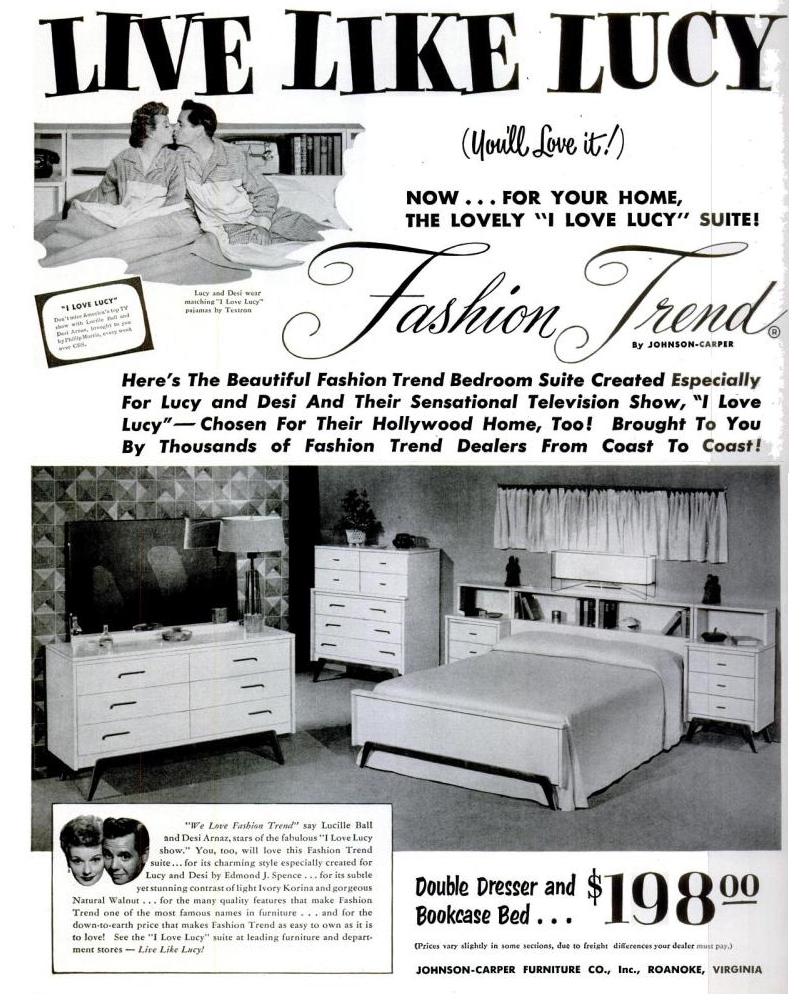
The Three-Camera Technique Changed Television
One of the most influential features of I Love Lucy was its use of three cameras recording the action simultaneously from different angles. The arrangement let the production capture a performance in front of a live audience while retaining the visual quality and editability of film.
Desi Arnaz recruited cinematographer Karl Freund to help solve the technical challenge. Freund and the production team developed a way to light the set evenly so that multiple cameras could record different parts of the action without stopping to relight between shots. Director Marc Daniels also played an important role in shaping the early production style.
The technique was not invented from nothing for I Love Lucy, but the series helped demonstrate how effectively it could work for a filmed sitcom. The approach later became a familiar model for studio comedy.
The Audience Was Really There
The laughter heard during I Love Lucy was not simply a canned laugh track added after filming. The show was performed before a live studio audience. That gave the actors immediate reactions to jokes, facial expressions and unexpected moments.
For performers, an audience changes the rhythm of a scene. A big laugh can require a pause before the next line, while a quiet response can affect how a joke is delivered. Ball's physical comedy was especially effective in this environment because she could build on the audience's reaction.
The live audience was not just background sound; it was part of the atmosphere the production worked to capture.
The Writers Were Essential to Lucy’s Success
Lucille Ball was the face of the show, but she was supported by a talented writing team. Jess Oppenheimer, Madelyn Pugh and Bob Carroll Jr. were central creative figures behind the series, helping develop its characters, situations and comic stories.
The writers understood that Lucy Ricardo needed more than random funny situations. She had clear motivations: she wanted to perform, earn attention, impress Ricky and prove she could do things people thought she could not do. Those ambitions created the foundation for comic disasters that felt connected to the character.
That combination of strong character motivation and escalating complications gave the series a dependable comic engine.
The Chocolate Factory Scene Was Not an Accident
One of the best-known sequences appears in the episode “Job Switching.” Lucy and Ethel take jobs wrapping chocolates on a conveyor belt. At first the task seems manageable, but the belt speeds up until the chocolates arrive faster than the women can wrap them.
Eventually, they begin hiding chocolates wherever they can. The scene works because the problem keeps getting worse in a clear, visual way. Lucille Ball and Vivian Vance had to coordinate their movements, expressions and timing with the conveyor belt so the comedy would build without losing its rhythm.
It is remembered as a masterclass in physical comedy because the audience can understand the problem instantly, even without a line of dialogue.
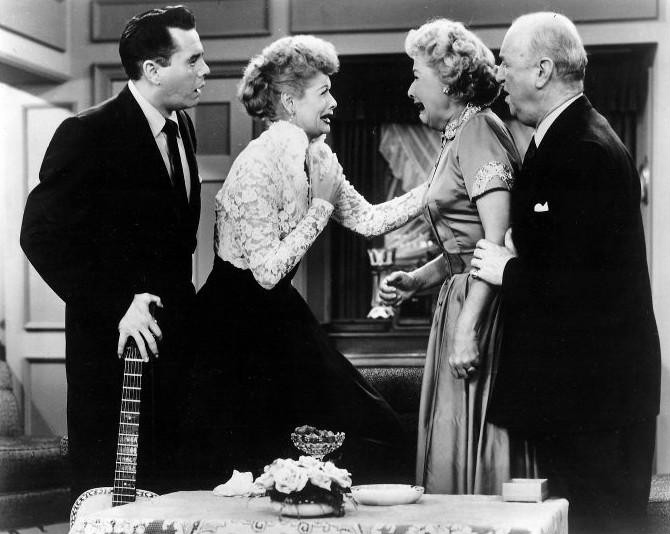
Lucy’s Expressions Were Part of the Storytelling
Ball understood that comedy was not limited to spoken jokes. A confused expression, a sudden look of panic or a perfectly timed pause could make an audience laugh. She used her face and body as storytelling tools.
This was especially important in scenes where Lucy tried to hide something from Ricky or persuade someone that one of her plans was working. Her performances could look spontaneous, but the timing, movement and reactions were carefully controlled. That precision is one reason her comedy continues to connect with viewers.
Why the Show Eventually Ended
The original weekly I Love Lucy series ran for six seasons and ended in 1957 after producing 180 episodes. The demanding production schedule and the creative team's desire to move on both contributed to the decision. The familiar characters returned in longer specials after the weekly series ended.
Meanwhile, the real-life relationship between Ball and Arnaz was facing difficulties. They divorced in 1960. The end of the original series did not end Ball's television career: she went on to star in The Lucy Show and Here's Lucy.
The Real Legacy Behind the Laughter
The most important part of I Love Lucy may be what happened behind the cameras. The series demonstrated how filmed episodes, a live audience, talented performers, strong writing and careful production could work together.
Its influence reached beyond the stories on screen and into the business and technology of television. The audience came to watch Lucy get into trouble. The television industry learned from the way the show was made.
Frequently Asked Questions
Was I Love Lucy filmed in front of a live audience?
Yes. The series was filmed before a live studio audience, and its reactions were captured as part of the performance.
How many cameras were used?
The production used three cameras simultaneously to record the action from different angles.
Who helped develop the show's filming method?
Desi Arnaz, cinematographer Karl Freund, director Marc Daniels and other members of the production team played important roles in shaping the approach.
Why was the show filmed on 35mm film?
Film provided a high-quality record that could be distributed and shown again, helping make reruns possible.
How many original episodes were produced?
The original weekly series produced 180 episodes across six seasons.
Sources and Further Reading
Advertisement